Best Time to Visit San Siro
Most guides answer this question by month, but at San Siro the month matters less than you would think. The Museum & Tour route runs indoors from Gate 6, so a wet November morning plays out almost the same as a sunny June one. What actually decides your visit is the time slot you book, whether the Skywalk is even open that month, and whether your date happens to fall on a match or event day. We work through all three below, then give the month-by-month weather for the one part of the visit that is outdoors, and cover how to fit the visit into a wider Milan itinerary once you know what actually shapes the decision.
Quick answer
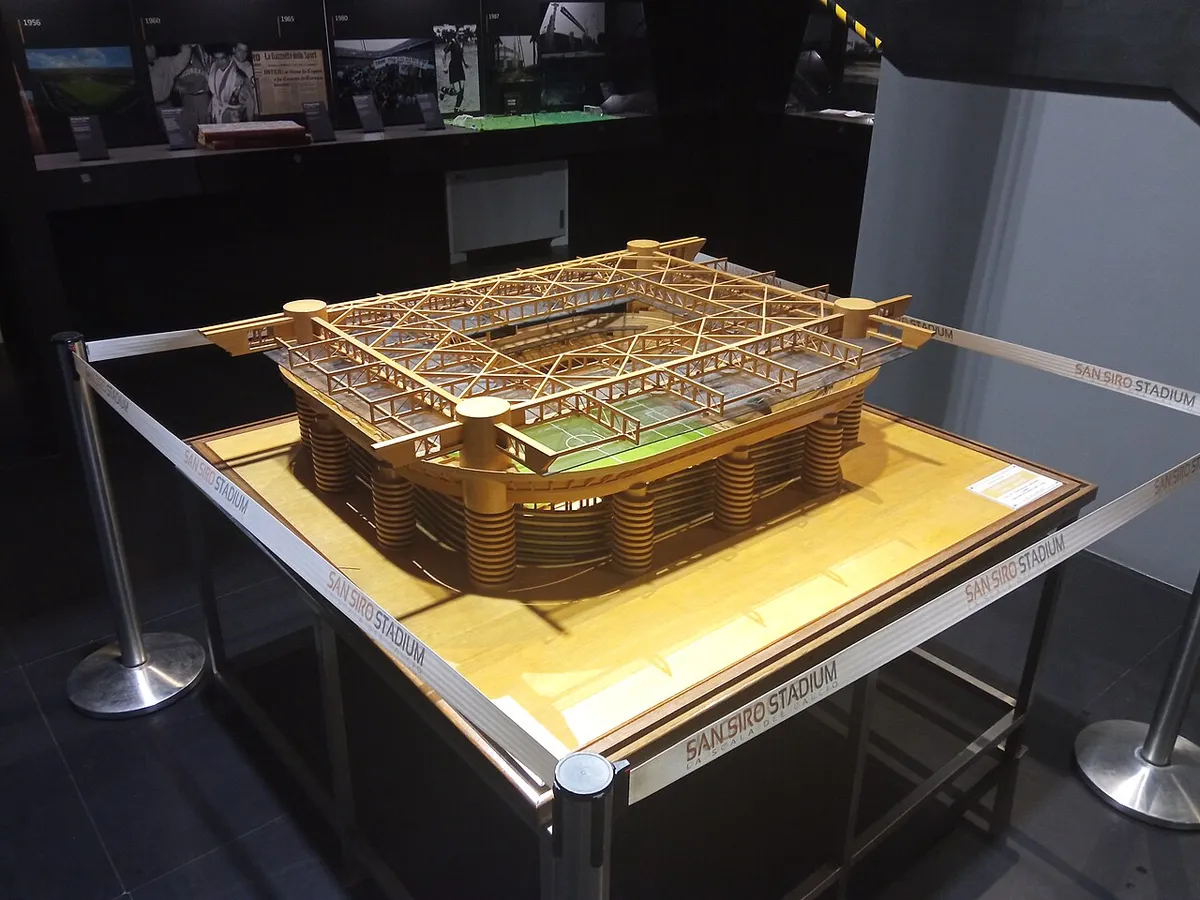
The time slot you pick matters more than the season, because the museum and stadium walk runs indoors and plays out the same way in any weather. Season only really decides the Skywalk, which operates March to October, and how pleasant the outdoor walk between the metro and Gate 6 feels.
Key takeaways
- Slots for the guided route run every 10 minutes from 09:30, with the last slots at 17:00
- The visit itself takes about 60 minutes, and it happens indoors
- The stadium opens every day, subject to events and the match schedule
- On match and event days the times can change at the last minute, see attending a match at San Siro
- The Skywalk only runs March to October, plan around that if the rooftop walk is the point of your trip
- July is the hottest month at 30.7C, November the wettest at 112.4mm, neither affects the indoor route
The slot matters more than the month
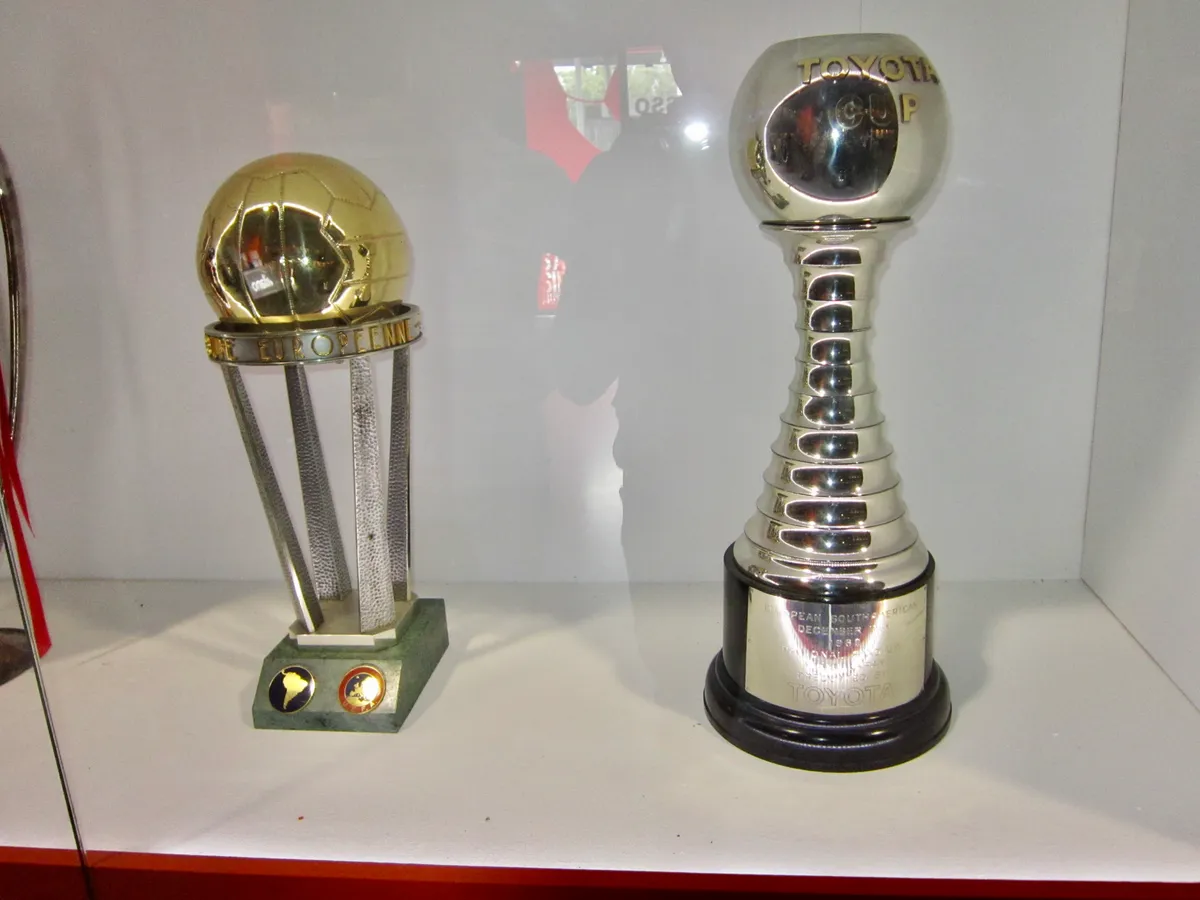
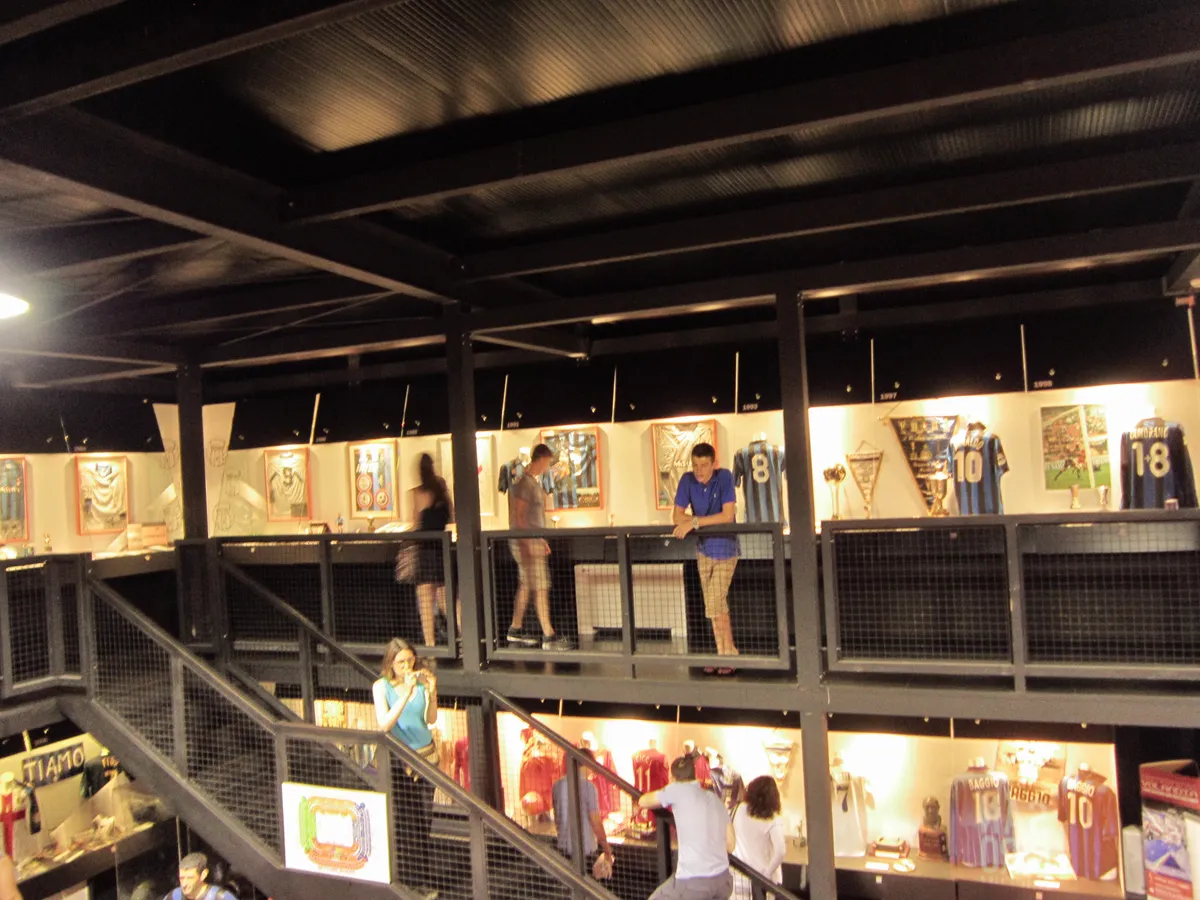
The Museum & Tour is indoors from the moment you pass through the Gate 6 entrance, which means the weather outside barely touches the experience. A February morning at 5C and a July afternoon at 30C run the same route through the tunnel, the dressing rooms and the museum cases. The San Siro tour times and tickets page has the full comparison of fixed-date, open-date and guided formats if you want to see how the slot system fits the ticket you are considering.
What does change your visit is the time slot. Tour slots leave every 10 minutes from 09:30, with the last slots at 17:00, and the visit itself takes about 60 minutes. Early slots tend to run quieter before day-trip groups arrive, and the very last slots of the day can feel rushed if you also want time in the museum shop.
The stadium opens every day, subject to events and the match schedule, so day of the week matters less here than at attractions that close on a fixed weekday. What can catch a visitor out is a match or event day, when times can change at the last minute. Check the stadium's own calendar close to your date rather than assuming a normal schedule.
This indoor logic is also why San Siro does not behave like an outdoor attraction where visitor numbers swing hard by season. A tour operator running the same route every ten minutes, all year, tends to spread visitors fairly evenly across the months, which is part of why the slot you pick within a day matters more here than the month you pick across a year.
Weekday versus weekend follows a similar pattern to time of day. A weekday morning slot typically sees fewer organised groups than a Saturday, though we do not have a precise crowd count to attach to that difference, and it is worth treating as a general tendency rather than a guarantee. If your dates allow it, a weekday visit is the more comfortable default, especially outside Italian school holiday periods when family day trips add to the numbers.
One more practical point on slots: because they leave every 10 minutes rather than in larger timed batches, a full slot rarely means a long wait. If your preferred time is booked out, the next slot ten minutes later is usually available, which is a more forgiving system than the single daily entry time some other Milan attractions use.
Match days and event days
A fixture or a concert at San Siro is the one thing that overrides the indoor-route logic above. On those days the Museum & Tour can shift its hours or close early, and the change is announced close to the date rather than months in advance.
If you are trying to time a visit around a specific date, check whether AC Milan or Inter have a home fixture or the stadium has an event booked, then confirm the tour's own hours for that day rather than relying on the standard 09:30 to 17:00 slot pattern. Anyone hoping to combine a museum visit with watching a game in person should read attending a match at San Siro first, since the two are harder to fit into one day than they look.
The safest planning approach for a firm travel date is to book the fixed-date Museum & Tour ticket only after checking that no match or major event falls on that day. If your dates are genuinely flexible, an open-date ticket removes the risk entirely, since you can simply pick a different day once you see the fixture list.
This is also why we would not recommend building a tight, single-day itinerary around a fixed San Siro slot if you have any flexibility at all. A visit that can shift by a day or two if a fixture turns up on the calendar is a much easier visit to plan than one locked to a single date months in advance.
When the Skywalk is open
The Skywalk is the one part of a San Siro visit where the calendar genuinely rules something out. It runs March to October only, so a visit booked for November through February will not include the rooftop walk regardless of how the tour itself is scheduled.
Within that window, arrive 20 minutes before the time on your ticket, since the Skywalk asks for that lead time separately from the museum route. Full detail on what the walk involves and who cannot take it lives on the Skywalk page.
Because the season window is fixed rather than weather-dependent, there is no genuinely better month within March to October for the Skywalk on climate grounds alone. July and August run hottest, which matters more on an open rooftop than inside the museum, so a visitor sensitive to heat might prefer the shoulder months of March, April, September or October for that specific part of the day, even though the walk itself is open throughout the full window.
The official site promotes booking the Museum & Tour and the Skywalk together on the same day as a deal, though the exact discount is not published anywhere we can verify, so we are not going to quote a saving. If timing both into one visit, check the combined option at checkout rather than assuming a specific percentage off.
Which factor should decide your date?
If You just want the museum and stadium tour
Pick any day and focus on the time slot, morning for the quietest visit
If The Skywalk is the point of your trip
Travel between March and October, the only months it operates
If Your dates are fixed months in advance
Check the stadium's opening calendar for a match or event before booking a fixed-date ticket
If Your dates are flexible
Book the open-date ticket and pick your day once you see the fixture list
Month by month
The table below uses the Linate Airport 1991-2020 climate normals, the closest long-run weather record to San Siro. Read it as a guide to what the outdoor walk from the metro to Gate 6 feels like, not as a reason to pick one month over another for the indoor tour itself.
| Month | Mean high | Skywalk open |
|---|---|---|
| January | 7.3C | No |
| February | 10.0C | No |
| March | 15.5C | Yes |
| April | 19.3C | Yes |
| May | 23.9C | Yes |
| June | 28.1C | Yes |
| July | 30.7C | Yes |
| August | 29.9C | Yes |
| September | 25.5C | Yes |
| October | 19.0C | Yes |
| November | 12.4C | No |
| December | 7.4C | No |
July is the hottest month at a 30.7C mean daily maximum and January the coldest at 7.3C. November is the wettest month at 112.4mm of typical rainfall, ahead of October at 82.0mm and August at 82.2mm. None of that touches the indoor museum and tour route, but it is worth knowing if the Skywalk or the walk from the M5 metro station is part of your plan.
Source: Linate Airport 1991-2020 normals, NOAA NCEI.
The second table below breaks out typical rainfall by month, since it is the figure that decides whether the short outdoor stretch from the metro to Gate 6 is a dry walk or a damp one, and it comes from the same Linate Airport normals as the temperature table above.
| Month | Typical rainfall |
|---|---|
| January | 35.9mm |
| February | 38.2mm |
| March | 42.2mm |
| April | 57.7mm |
| May | 70.3mm |
| June | 67.4mm |
| July | 44.2mm |
| August | 82.2mm |
| September | 73.4mm |
| October | 82.0mm |
| November | 112.4mm |
| December | 45.8mm |
Pack an umbrella or a jacket with a hood for a November or October visit rather than counting on dry weather for the outdoor stretch, and expect the driest conditions in January and February even though those are also the coldest months.
How to time the visit around the rest of Milan
Because the tour itself does not depend on weather, the more useful question is often when the rest of your Milan trip has room for it. A morning slot works well paired with an afternoon elsewhere in the city, since the visit only takes about 60 minutes once you are through the gate.
If you are building a full day around San Siro, is the San Siro tour worth it covers how the guided and self-guided options compare for someone deciding how much time and money to put into the visit, and getting to San Siro covers the M5 route and what changes on a match day.
A morning slot also leaves the afternoon free for Casa Milan, the AC Milan-run museum a short distance from the stadium, if you want a second football stop on the same day without it turning into a long day out. The reverse order works too: an afternoon slot after a morning spent elsewhere in Milan avoids the earliest queues without pushing you into the last, more rushed slots of the day.
If your trip includes more than a day near the stadium, hotels near San Siro covers where to stay and why most visitors end up basing themselves closer to central Milan instead, which also affects how early you need to leave for your slot.
If you have not settled on which format to book at all, the simplest way to book a San Siro visit is to start from the official prices and guided options side by side rather than picking blind.
Before you book
A short list to run through when picking your date and slot.
- Picked a time slot rather than agonised over the month, since the route is indoors
- Checked whether the Skywalk is part of the plan, and confirmed it falls within March to October
- Checked the stadium's opening calendar for a match or event on a fixed-date booking
- Chosen an open-date ticket instead if travel dates are still flexible
- Allowed 60 minutes for the visit itself when building the rest of the day's schedule
Best Time to Visit San Siro: Frequently Asked Questions
What is the best month to visit San Siro?
There is no single best month, because the Museum & Tour route is indoors. Pick a month based on whether you want the Skywalk, which only runs March to October, rather than on weather alone.
How long does it take to visit San Siro?
About 60 minutes for the museum and stadium tour together. Tour slots leave every 10 minutes from 09:30, with the last slots at 17:00.
What time should I arrive at San Siro?
Arrive for your booked slot time. If you also have Skywalk tickets, arrive 20 minutes before the time printed on that ticket, since it has its own arrival window.
Does San Siro close in winter?
No. The stadium opens every day, subject to events and the match schedule. The Skywalk is the seasonal part, running March to October only.
Can weather cancel a San Siro tour?
The museum and tour route is indoors and runs regardless of weather. The Skywalk can be affected by conditions on the roof, and a full refund applies if it is suspended.
Is San Siro busier at certain times of day?
Early slots after 09:30 tend to run quieter, before day-trip groups build through the late morning. The last slots at 17:00 leave less time for the museum shop and cases.
What is the hottest month to visit San Siro?
July, with a mean daily maximum of 30.7C. It matters most for the outdoor Skywalk rather than the indoor museum and tour route.
What is the wettest month in Milan?
November, with a typical 112.4mm of rainfall, ahead of October at 82.0mm and August at 82.2mm. The indoor route is unaffected either way.
Is a weekday or weekend better for visiting San Siro?
A weekday morning slot typically sees fewer organised groups than a Saturday, though we do not have a precise crowd count to back an exact difference. Treat it as a general tendency rather than a rule.
Should I book the fixed-date or open-date ticket?
A fixed-date ticket works if you have already checked there is no match or event on your chosen day. An open-date ticket, valid for roughly three months, removes that risk if your dates are flexible.